Achieving Suitable Vision With SMILE Eye Surgical Procedure
Web Content Writer-Eason Rosenthal
With advancements in healthcare technology, gaining ideal sight has turned more attainable than ever. One of the top groundbreaking methods in the last decade is SMILE eye surgery. This less invasive technique is crafted to correct typical sight difficulties, particularly short-sightedness, presenting a potential remedy for millions of people who need glasses or contacts. As you explore the potential of SMILE laser eye surgery, you may wonder about its benefits, costs, and how it compares to other eye correction techniques.
In this write-up, we will explore what SMILE eye surgery entails, how it operates, and the post-operative care involved. We will also discuss the advantages of the SMILE procedure for short-sightedness and provide a detailed contrast of SMILE versus PRK, an additional popular eye surgery. With insights on side effects and overall success, this extensive guide aims to supply you with a more informed comprehension of SMILE eye surgery, putting you one step closer to realizing perfect sight.
What SMILE Eye Surgery Optical Procedure?
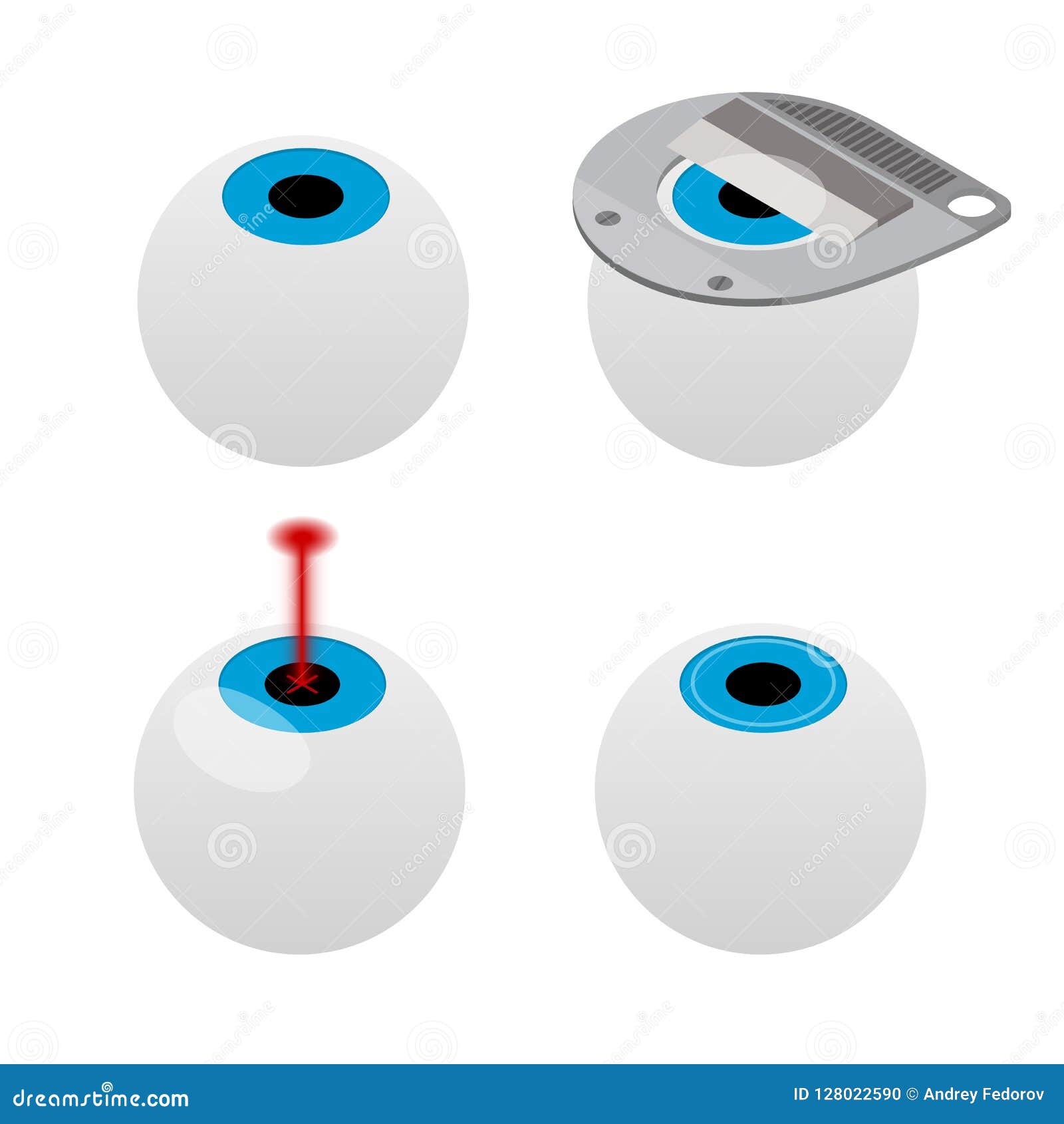
Small Incision Lenticule Extraction is a groundbreaking laser vision surgery procedure aimed to correct shortsightedness as well as vision distortions. In contrast to conventional laser vision techniques, this technique makes use of a less invasive method. It includes performing a small opening in the cornea to remove a small disc of tissue, thereby modifies the cornea to improve sight. This method offers exactness and convenience, making it an attractive alternative for many patients wanting improve their eyesight.
The process begins with the utilization of a specialized laser, which generates the disc within the corneal. As soon as the disc is created, a tiny opening is performed through which the doctor carefully extracts the disc, thereby modifying the curvature of the cornea. This distinctive technique allows for a gentler procedure compared to alternative procedures, where more extensive incisions are usually required. The entire process usually takes about 30 minutes long, with many patients experiencing instant gains in their eyesight.
One of the compelling features of SMILE is that it often leads to less issues and faster rehabilitation periods than alternative procedures like Lasik or Photorefractive Keratectomy. Individuals claim less pain and distress and can go back to their usual tasks after a several post-operative days. As a result, SMILE has gained popularity among patients who need efficient vision correction with little recovery time.
Benefits and Recovery
SMILE Eye Surgery offers various advantages that make it an appealing choice for those seeking vision correction. One of the primary benefits is the minimal invasiveness of the procedure. Unlike standard LASIK, which requires a corneal flap to be created, SMILE utilizes a tiny incision to remove tissue from within the cornea. This approach not only reduces the risk of complications but also encourages faster healing and reduced postoperative discomfort. https://www.google.com/maps/d/edit?mid=1KzHRlZaovohXpNT2QAX-wQqzvesssM8&usp=sharing improved vision within a couple of days, allowing them to quickly return to their regular tasks.
Another significant benefit of SMILE is its effectiveness for treating myopia, also known as myopia. https://www.stgeorgeutah.com/news/archive/2020/01/23/ajp-spc-focus-on-you-in-2020-free-lasik-surgery-from-zion-eye-can-have-you-seeing-20-20-for-the-new-year/ focuses on the underlying causes of myopia by removing a minute lenticule from the corneal stroma, contouring the cornea for clearer vision. Many patients experience a high level of satisfaction and freedom from glasses or contact lenses after the surgery. Additionally, the accuracy of the SMILE technique leads to a consistent outcome, making it a reliable option for those with moderate to severe myopia.
Recovery from SMILE Eye Surgery is typically quick and straightforward. Most patients can resume normal activities within a limited time, often returning to work or school within a couple of days. The majority experience minimal discomfort, and follow-up appointments ensure that healing is advancing as expected. It is crucial for patients to adhere to the aftercare instructions provided by their surgeon, which may include steering clear of strenuous activities and using prescribed eye drops. Overall, the recovery process is structured to be easy, contributing to the overall positive experience patients have with the SMILE procedure.
Price of SMILE Surgery
The price of SMILE treatment can differ greatly according to various factors, like the surgeon's experience, the methods applied, and the geographical location of the practice. On average, patients can anticipate to spend ranging from three thousand to five thousand dollars for every eye treatment. While this investment may seem significant, it is worth that many view it a sustainable answer to sight improvement, perhaps reducing recurring financial outlays related to lenses or vision aids.
Insurance coverage for SMILE laser eye surgery is often insufficient, as many policies identify it an non-essential procedure. However, some patients may learn that their insurance covers a part of the fees, particularly if surgical treatment is deemed essential due to severe vision problems. It's recommended for individuals to verify with their insurer and talk about payment options with their chosen clinic to effectively understand the cost implications.
Moreover, many clinics provide financing programs to assist make the surgery more affordable. These plans enable patients to divide the price over a period, rendering it realistic for more individuals to attain the sight improvement they seek. It is important for future patients to carefully investigate different clinics and their fee formats to ensure they are making an aware selection that meets their financial ability and meets their sight needs.
SMILE versus PRK Comparison Chart
When considering options for laser eye surgery, several individuals commonly compare the methods of SMILE and PRK. Both methods aim to addressing sight issues, but they use varied techniques. The SMILE method, or Small Incision Lenticule Extraction, includes creating a minimal cut to extract a lenticule from the cornea, on the other hand the PRK procedure, or PRK (Photorefractive Keratectomy), reshapes the surface of the cornea structure by taking away the epithelium before employing the laser. This fundamental distinction greatly affects recovery times and possible advantages for individuals.
In terms of healing, SMILE usually provides a more rapid healing process with reduced pain after the procedure compared to PRK. Patients undergoing SMILE can frequently resume regular activities within a few days, while PRK can take many days to weeks for full visual recovery for complete sight recovery due to the healing of the corneal surface. Additionally, SMILE lowers the chance of problems such as haze formation, which is more likely during PRK due to the removal of the corneal epithelial layer.
Financial considerations can also be factor in the decision for a variety of patients. While SMILE could show a more expensive initial cost due to its advanced technology and technique, it is crucial for patients to weigh the advantages of quicker healing and reduced pain compared to the cost implications. Ultimately, the decision between the SMILE technique and the PRK procedure will be based on personal choices, particular vision correction goals, and conversations with qualified eye care professionals.